Now For Sale: Emerald Ridge Spec Houses!

February 13, 2026
When you decide to build a new home, one of the first questions that comes to mind is how long the process will take. For first-time homeowners, understanding the timeline helps reduce uncertainty and sets clear expectations. The truth is that timing varies based on location, weather, design decisions, and the builder’s process. Even so, most new builds follow a general pattern and will take between 5 and 7 months.
If you have ever wondered how long it takes to build a house, this guide offers a quick look at what happens and how the different phases work together. At Fingerprint Homes, we help homeowners understand the process from start to finish.
A smooth and efficient build starts well before any ground is broken. This stage includes selecting your floor plan, reviewing design options, preparing your lot, securing financing, and signing the purchase agreement. For many first-time builders, this early phase takes one to three months, depending on how quickly decisions are made.
During this time, you will work closely with your builder to refine your plan. You will select exterior styles, layout options, and key interior features that influence the structure of your home. Once everything is finalized, the team submits plans for permit approval. Once permits are approved, construction can begin.

The first month of construction focuses on preparing the site and establishing a solid foundation. The lot is cleared, utilities are marked, and excavation begins. After that, the foundation is laid.
This phase may feel slow from the outside, but it is one of the most important steps in your entire build. A strong foundation ensures the stability, safety, and longevity of your home.
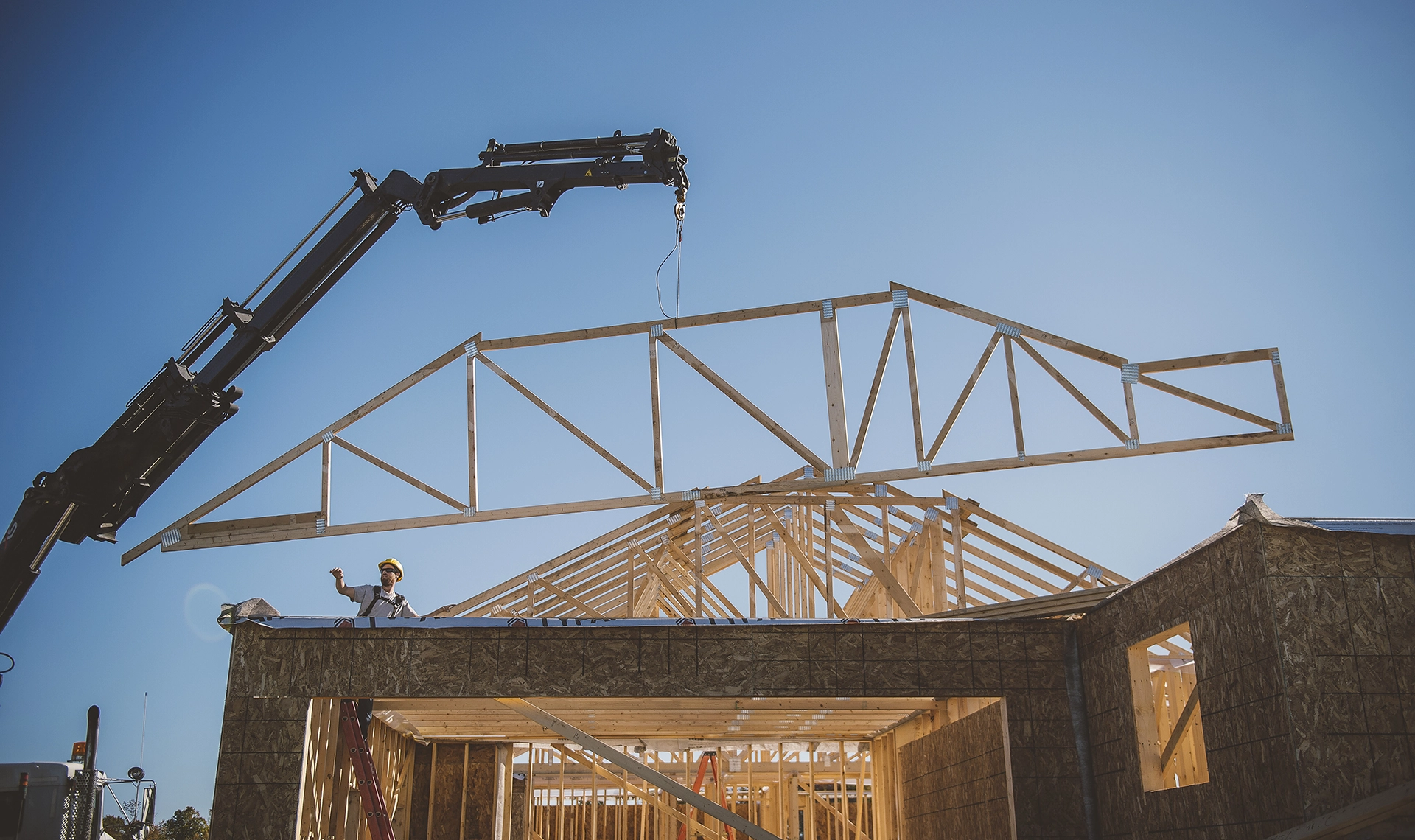
Once the foundation is ready, framing begins. Walls, floors, and the roof structure take form, and the home starts to look recognizable. This is one of the most exciting phases because you can walk through the spaces and imagine daily life within them.
The weather often influences this stage. Clear, dry days allow crews to work quickly. Rain or snow can slow progress, but your builder will monitor conditions and adjust schedules as needed. Learn more about how we manage each phase in our Our Process page.
During the third stage, the focus shifts to enclosing the home. Roof materials are installed, followed by windows and exterior doors. Once these elements are in place, the interior can be protected from the weather. This milestone is often referred to as the home being “dried in.”
At this point, you will also begin to see early exterior details come together, such as siding preparation and porch framing. Check out some of these details in our Gallery.
With the exterior enclosed, crews begin installing major systems such as HVAC, electrical, and plumbing. These steps involve careful coordination among trained professionals. Once the systems are in place and inspected, insulation is added to regulate temperature and increase energy efficiency.
This stage is detailed and essential. Even though you may not see dramatic changes from the outside, major progress is happening inside the walls.
After insulation is complete, drywall installation begins. Rooms start to take shape, and the floor plan becomes more defined. Once drywall is finished, seams are sanded, and surfaces are prepared for paint.
During this time, homeowners often enjoy visiting the site to see spaces transform from open framing to actual rooms. Explore examples of our interiors in the Gallery.
The sixth stage is all about the interior coming to life. Flooring, cabinetry, trim, paint, and tile begin to appear. Light fixtures and plumbing fixtures are installed as rooms take on their final character.
This stage can move quickly, but it is also where many fine details are completed. Each selection you made earlier starts to show up in the home.
As construction nears completion, crews finish punch list items, complete exterior work, and prepare the home for your final walk-through. Landscaping may also be completed depending on the season.
The final walk-through gives you a chance to learn how systems operate, review craftsmanship, and ask questions before moving in.
So, how long does it take to build a house? For many first-time homeowners, the full process takes 5 to 7 months from the start of construction. The pre-construction phase adds additional time, usually one to three months.
Working with a team that communicates well and guides you through each step makes a significant difference. At Fingerprint Homes, we help you stay informed from beginning to end. Our goal is to make the experience clear, predictable, and enjoyable.
If you are ready to explore your options, our team is here to help you take the next step toward building your home and create a home that reflects your story. Learn more about who we are on our Our Company page.
Recent Posts