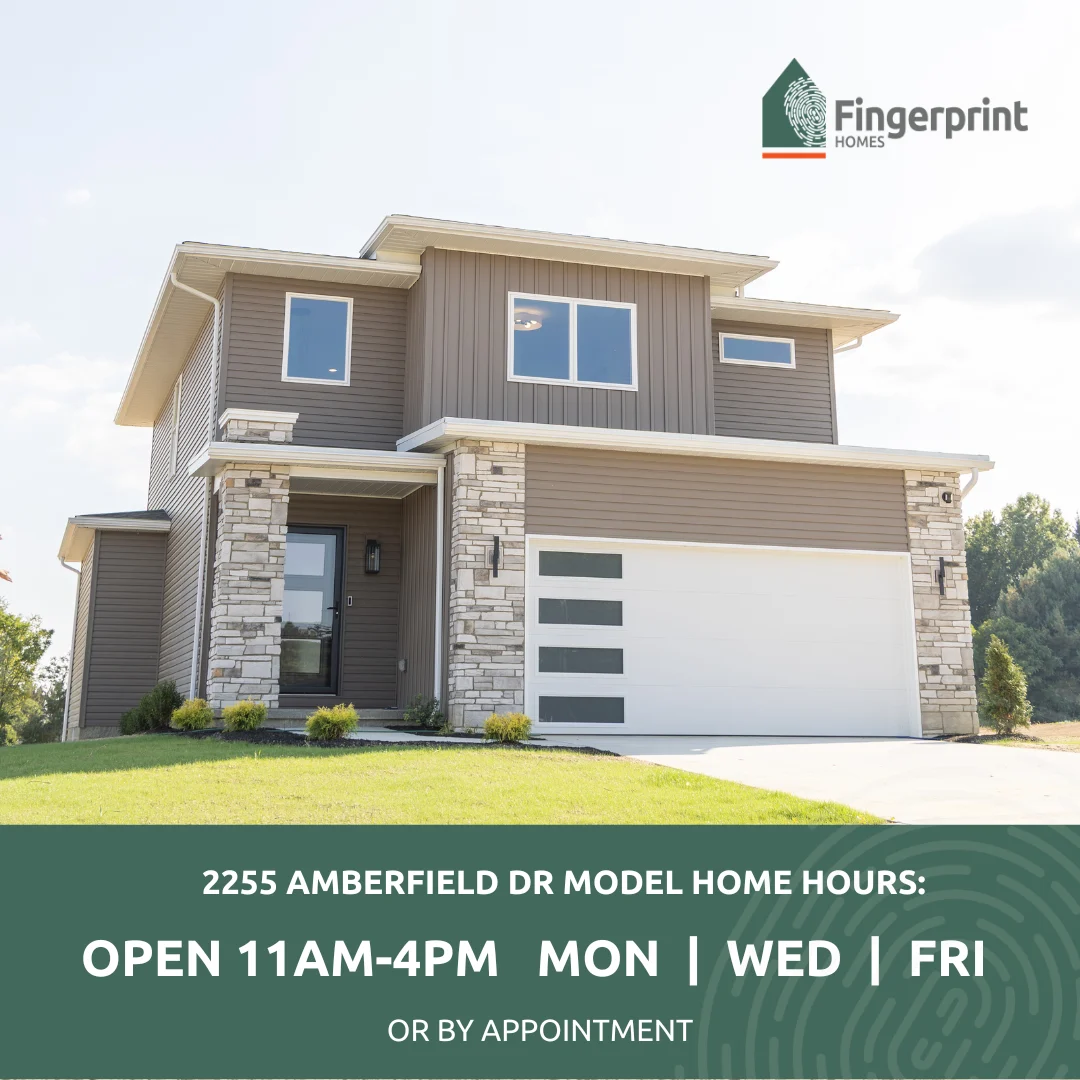
Now For Sale: Emerald Ridge Spec Houses!


April 8, 2026
Preparing your lot is one of the most important steps in building a new home, yet it’s often one of the least understood parts of the process. For first-time builders, lot preparation can feel confusing because much of the work happens before construction even begins. Understanding what’s involved helps you avoid surprises, plan confidently, and work smoothly with your builder.
If you’re planning to build a new home, this guide will walk you through what lot preparation involves, why it matters, and how home builders help manage this critical phase.
Lot preparation lays the groundwork for everything that follows. A well-prepared lot supports proper drainage, structural stability, and long-term durability. Skipping steps or misunderstanding site conditions can lead to delays, added costs, or issues down the road.
Custom home preparation ensures your home is built on a site that is ready for construction, meets local requirements, and aligns with your floor plan and design choices. This phase sets the tone for a smooth building experience.
Before any work begins, your builder evaluates the lot to understand its characteristics. This includes reviewing the size, shape, slope, and soil conditions. Some lots are flat and straightforward, while others may require additional grading or engineering.
During this stage, your builder may review survey documents, zoning restrictions, and setback requirements. These details help confirm where the home can be placed and whether any special considerations are needed.
First-time builders often underestimate how much a lot influences the overall design. The orientation of the home, window placement, and even driveway access can all be affected by the site itself.
Soil conditions play a major role in determining the type of foundation your home will need. A soil test helps identify stability, drainage capacity, and load-bearing strength. This information ensures the foundation is designed properly for long-term performance.
In some cases, additional preparation may be required to address drainage issues or soil composition. Custom home builders work with engineers and inspectors to make sure these conditions are handled correctly before construction begins.
Once evaluations are complete, the lot is cleared and graded. Clearing removes trees, brush, and debris from the building area. Grading shapes the land to support proper drainage and create a level surface for the foundation.
Grading is especially important for managing water flow away from the home. A proper slope helps prevent moisture issues and protects the structure over time. This step may also involve rough driveway access and preparation for utilities.
Before building can begin, utilities must be planned and coordinated. Depending on the location, this may include water, sewer, electric, gas, or septic systems. Some lots require new connections, while others may already have services available.
Your builder will help coordinate with local utility providers and ensure everything is positioned correctly for the home’s layout. This step is an important part of custom home preparation and helps prevent costly changes later.
Lot preparation also involves securing the necessary permits and approvals. This may include building permits, zoning approvals, environmental reviews, or architectural review board submissions if required by the community.
For first-time builders, this paperwork can feel overwhelming. One of the benefits of working with experienced custom home builders is that they manage this process for you, ensuring all requirements are met before construction starts.
Once the site is cleared, graded, and approved, the lot is ready for foundation work. This includes staking the home’s footprint, final excavation, and preparing for footings and concrete work.
This milestone marks the transition from preparation to construction. At this point, your lot is officially ready to support your new home.
Many first-time builders ask how long lot preparation takes. The timeline can vary based on lot conditions, weather, and permitting requirements. Some sites are ready in a few days, while others may take longer due to grading or approvals.
Cost is another common concern. Lot preparation costs depend on factors such as soil conditions, utility access, and site complexity. Your builder will help you understand what to expect and plan accordingly.
Lot preparation is not a phase you want to navigate alone. Experienced custom home builders guide you through each step, communicate clearly, and anticipate challenges before they become problems.
At Fingerprint Homes, we help first-time builders understand the process and feel confident from the very beginning. Our team manages custom home preparation carefully so your home starts on solid ground, both literally and figuratively.
Preparing your lot is an essential part of building a home that lasts. When done right, it supports everything from structural integrity to daily comfort. With the right guidance and a clear plan, a lot preparation becomes a manageable and important step toward your future home.
If you’re considering building and want to understand how your lot factors into the process, our team is here to help you take the next step with clarity and confidence.
Recent Posts